Scientific Justification
Toxicity (T = 4)
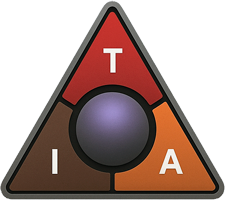
Cytisus scoparius contains quinolizidine alkaloids, primarily sparteine, with well-documented cardiotoxic and neurotoxic effects. Human intoxications include nausea, vomiting, dizziness, hypotension, cardiac rhythm disturbances, and neurological impairment. Hospitalizations exceeding 48 hours are documented, but consistent evidence of lethal outcomes in Europe over the last decade is lacking. According to the TAI-ECOSAFE toxicity grid, these characteristics correspond to T = 4 (severe toxicity requiring hospitalization, without confirmed lethality threshold for T=5).
Animal danger (A = 4)
The species is toxic to domestic animals, particularly horses, cattle, sheep, goats, and dogs. Ingestion may cause alkaloid poisoning with neurological signs, cardiovascular depression, and, in severe cases, fatal outcomes in sensitive species. Toxicity is not uniformly lethal across all animal taxa, justifying A = 4 under EFSA-aligned criteria.
Automated Flag: VET is mandatory (A ≥ 4).
Invasive impact (I = 3)
Cytisus scoparius forms dense, long-lived stands in heathlands, forest edges, grasslands, and disturbed habitats. It suppresses native vegetation through shading, litter accumulation, and alteration of soil nutrient dynamics, and produces large persistent seed banks. Although not listed under EU Regulation 1143/2014, its ecological impact includes significant local biodiversity loss without full ecosystem collapse. These characteristics correspond to I = 3 under the TAI-ECOSAFE invasive grid.
Automated Flag: ECO is mandatory (I ≥ 3).
Climate sensitivity (CLI)
The species shows strong responsiveness to climatic variables, particularly temperature increase and disturbance regimes, facilitating northward and altitudinal expansion. This justifies the assignment of the CLI extension under TAI-ECOSAFE.
Core Indices
-
FXT: Rapid onset of toxic symptoms after ingestion (hours).
-
VET: Significant veterinary toxicity.
-
ECO: Confirmed ecological displacement at local to regional scale.
-
CLN: Not assigned — none of the CLN criteria (A–E) are met based on available European clinical data.
- ⚡ FAST-ACTING TOXICITY — Symptoms appear within 2 hours of exposure
- ☠️ TOXIC — Serious toxicity risk — avoid contact and ingestion
- 🐕 VETERINARY — Dangerous to pets, livestock and wildlife
- 🌿 ECOLOGICAL — Invasive species threatening native ecosystems
• Risk assessment: Risk=64.3 (T=4, A=4, I=3, EF=4.8)
• Additional factors: ⚡ FXT