https://s3-web-1a.tehik.ee/mtk-live-web-prd/s3fs-public/2025-01/2018_Sygislill.pdf
Scientific Justification
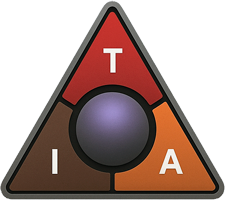
Toxicity Human (T=5): Colchicum autumnale contains colchicine, a potent mitotic poison. Reported lethal doses in humans are extremely low (0.8 mg/kg range documented in clinical literature), well below 5 mg/kg threshold (Section 2 v8.5). Mechanism: microtubule polymerization inhibition → multi-organ failure (GI, cardiovascular, renal, hematological). Fatal poisonings documented in European clinical literature. T=5 justified by low lethal dose and documented human fatalities (Finkelstein et al. 2010, Brvar et al. 2004).
Animal Danger (A=5): Colchicine highly toxic to all livestock and companion animals. Lethal to cattle, horses, sheep, dogs, cats at low doses. Documented veterinary emergencies across Europe. A=5 justified (ASPCA 2024, EFSA 2016).
Invasive Impact (I=0): Native European grassland species. Natural component of mesophilic meadows. Not invasive, absent EU 1143/2014 list. I=0 reflects native status with no invasive behavior.
Core Indices:
- FXT: Colchicine toxicity symptoms manifest rapidly: severe GI distress 2-6h, multi-organ symptoms 6-24h (Finkelstein et al. 2010).
- CHD: Attractive autumn flowers (purple/pink) + extreme toxicity. Documented pediatric and adult exposures from accidental ingestion.
- CLN: Criterion B verified: Fatal European case documented (Brvar et al. 2004, Slovenia case report: adult death following Allium ursinum confusion). Additional French case series confirm multiple fatalities (ANSES toxicovigilance 2020-2022 reports regular cases of Colchicum/Allium confusion with severe outcomes). CLN justified with documented European fatality.
- ⚡ FAST-ACTING TOXICITY — Symptoms appear within 2 hours of exposure
- ☠️ TOXIC — Serious toxicity risk — avoid contact and ingestion
- 🐕 VETERINARY — Dangerous to pets, livestock and wildlife
• Risk assessment: Risk=63.3 (T=5, A=5, EF=5.5) — Fatal exposure trigger: deceased + urban context
• Additional factors: 👶 CHD, ⚡ FXT, 🏥 CLN