Scientific Justification
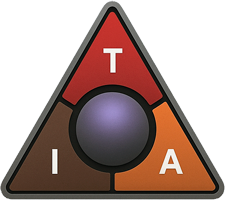
T = 2 (300–2000 mg/kg; reversible irritation, symptoms <6–12h) H. hibernica contains triterpenoid saponins (hederacoside C, α-hederin) and falcarinol (polyacetylene contact irritant), chemically equivalent to H. helix. Clinical presentations: GI irritation (nausea, vomiting, hypersalivation), contact dermatitis upon skin exposure to fresh plant. Symptoms reversible and self-limiting. No documented human fatalities in Europe (last 10 years). Hospitalisations >48h not documented for this species specifically. T=3 not assigned: obligate prolonged medical intervention not documented; contact dermatitis mechanism does not satisfy FXT criterion (no furocoumarin-mediated phototoxicity). Falcarinol-induced contact dermatitis occurs rapidly (<2h) but is a contact irritant mechanism, not systemic toxicity sufficient for T=3. Sources: Frohne & Pfänder (2005); Bruneton (2009); CAPB plant database (Hedera entries applicable to genus level).
A = 3 (serious illness, prolonged recovery) Genus Hedera saponins documented as causing serious GI and neurological toxicity in dogs and cats (vomiting, ataxia, hypersalivation, prolonged recovery). ASPCA classifies Hedera spp. as toxic to horses, dogs, cats. Lethal outcomes at typical field/domestic exposure doses not consistently documented → A=4 not assigned. A=3 supported by documented serious illness with prolonged recovery. Sources: ASPCA APCC; Burrows & Tyrl (2013); Cooper & Johnson (1998).
I = 3 (displacement of native species, allelopathy) H. hibernica is distinct from native H. helix and is widely introduced via horticulture across western Europe. In Luxembourg and surrounding regions, H. hibernica spreads vegetatively in urban forests and shaded habitats, forming dense ground-covering mats that suppress native understory vegetation (geophytes, native seedling regeneration). Differentiated from H. helix by larger leaves, more vigorous vegetative growth, and higher shade tolerance facilitating competitive dominance. Not listed under EU Regulation 1143/2014 (BAN not assigned), but documented as naturalising and displacing native flora at local scale. I=4 not assigned: monoculture formation at >20,000 seeds/plant scale not documented for Luxembourg specifically. Sources: Lambinon & Verloove (2012) Nouvelle Flore de la Belgique; DAISIE European Invasive Alien Species database; Stace C. (2019) New Flora of the British Isles.
- 🌿 ECOLOGICAL — Invasive species threatening native ecosystems
• Risk assessment: Risk=43.4 (T=2, A=3, I=3, EF=4.3)
• Additional factors: 👶 CHD