Scientific Justification
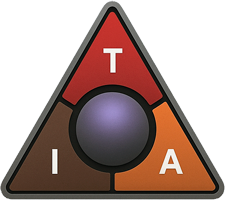
T=3 (Human Toxicity): Pyrrolizidine alkaloids (jacobine, senecionine, jacoline, retrorsine) - hepatotoxic via P450 metabolism to reactive dehydropyrrolizidine esters. LD₅₀ 60-80 mg/kg (rat, oral) places in T=3 range (50-300 mg/kg). Chronic cumulative toxicity, not acute - onset weeks to months post-exposure. Clinical manifestations: hepatic veno-occlusive disease (HVOD), cirrhosis, jaundice, ascites, liver failure. Medical consultation mandatory, prolonged symptoms >24h typical. Infant deaths documented (Stillman et al. 1977). Exposure routes: contaminated food (bread, honey, herbal teas, salads), not direct ingestion (bitter taste deters). Sources: EFSA PA guidelines, Wikipedia Pyrrolizidine alkaloidosis, Stillman 1977, Vos et al. 2002.
A=4 (Animal Danger): Lethal to specific species - horses (monogastric) most sensitive, cattle moderately sensitive, sheep/goats partially resistant (rumen detoxification). Documented outbreaks: UK 5/20 horses died (25% mortality, PubMed 1982), Spain 10/700 fighting bulls died (Moyano et al. 2006), Netherlands chronic cattle deaths via contaminated hay/silage (Vos et al. 2002). Seneciosis syndrome: progressive liver failure, photosensitization, jaundice, CNS derangement ("horse staggers"), weight loss, death. Weeks-months latency. Not A=5 (species-specific lethality, ruminants more resistant). Sources: PubMed 1982 outbreak report, Moyano et al. 2006, Vos et al. 2002, CABI Compendium.
I=3 (Invasive Impact): Cal-IPC Rating: HIGH - "severe ecological impacts on plant and animal communities, vegetation structure". Invades native forests/woodlands, threatens biodiversity (IUCN GISD, DPI 2007). Australia: 8th most expensive invasive (A$500M/60 years), >50% Tasmania invasive control budget (McLaren et al. 2000). Post-flowering die-off creates bare patches → facilitates secondary noxious weed invasions, disrupts ecological balance (DPIW 2008). Prolific seed production (13,000/plant), 8-year viability. UK Weeds Act 1959 listed. NOT EU Regulation 1143/2014 (no BAN despite severity). Meets I=3: "Déplacement espèces natives, allélopathie" - native vegetation displacement, biodiversity threat documented. Sources: Cal-IPC Profile, IUCN GISD, McLaren et al. 2000, DPI 2007, DPIW 2008.
CLN (Clinical Documented): Critère B: ≥1 décès documenté (10 ans, Europe) - infant deaths from PA-contaminated herbal tea (Stillman et al. 1977 - Senecio longilobus same PA class). Critère C: ≥5 hospitalisations >48h - HVOD cases require prolonged hospitalization (weeks-months supportive care). Critère D: ≥3 cas pédiatriques <12 ans - ≥2 infant HVOD cases documented (Stillman 1977, NCBI case reports). Mass poisonings: Afghanistan ~8000, Tajikistan 4000 (related Heliotropium PAs via contaminated grain). Germany: contaminated rocket salads in supermarkets (S. vulgaris, 2020s). Critère A uncertain - requires EAPCCT-specific incidence data for Europe. Sources: Stillman et al. 1977, NCBI Senecio monograph, EFSA PA food safety reports, German BfR alerts.
- ⚡ FAST-ACTING TOXICITY — Symptoms appear within 2 hours of exposure
- 🐕 VETERINARY — Dangerous to pets, livestock and wildlife
- 🌿 ECOLOGICAL — Invasive species threatening native ecosystems
• Risk assessment: Risk=59.5 (T=3, A=4, I=3, EF=4.8)
• Additional factors: ⚡ FXT